
The idea
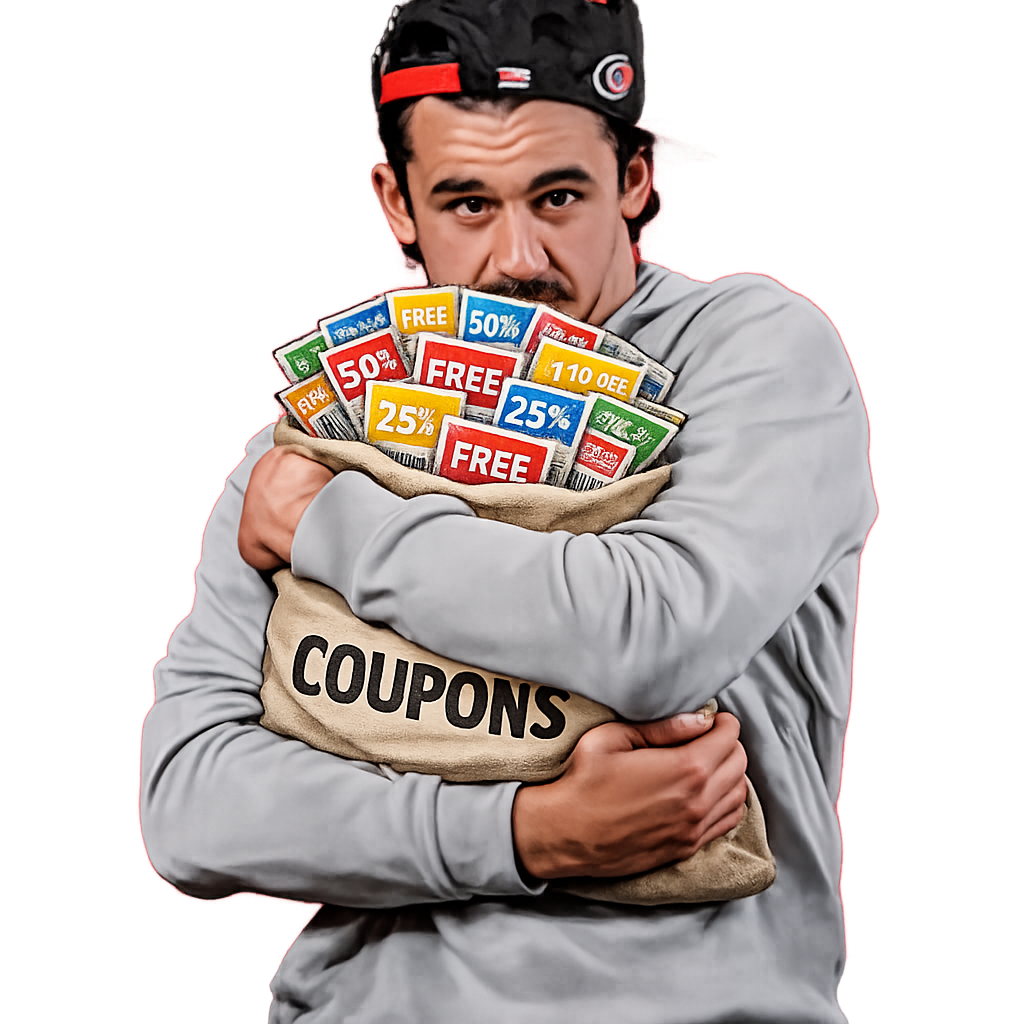
After every Hurricanes game, local sponsors run post-game promos. The deals rotate season to season, but the complexity doesn’t. Each promo has its own trigger logic, redemption window and edge cases. A free Bo-Berry Biscuit from Bojangles might require a power play goal. A BOGO from Alpaca might only kick in after a road win. Han-Dee Hugo’s might offer a free Pepsi, but only after a shutout. Some triggers check yesterday’s box score, others depend on today’s schedule or the monthly calendar. A few only matter if the game was home or away.
No single place to check what you actually earned. I wanted to fix that. And I wanted a system that could adapt when sponsors change their rules or new deals show up next season, without rewriting the app.
Who it’s for
- The morning-after fan. Wakes up, checks the score, wants to know if they earned free food before heading out. Needs a fast answer, not a deep dive.
- The game-day fan. Has the app open during the game. Watching the shutout hold, counting PP goals, hoping for a hat trick. Wants to see promos build in real time.
- The share-it fan. Texts the link to the group chat after a big win. Wants a clean preview in iMessage and a quick summary they can screenshot.
- Me, the admin. Needs to update promo rules, swap sponsors, upload logos, and tweak AI prompts without pushing code.
Foundations
Scriptable script
Problem: I wanted a quick personal check: did last night’s game score me any free food?
Solution: Built a Scriptable script that hits the NHL Stats API, evaluates six promo trigger conditions (power play goals, shutouts, away wins, hat tricks, etc.), and returns a JSON result I could wire into iOS Shortcuts.
Outcome: Worked great for me, but nobody else could use it without Scriptable installed.
Web app on Cloudflare
Problem: I wanted something I could share with other fans. A link I could text after a game.
Solution: Ported the engine to a Next.js app on Cloudflare Pages using the OpenNext adapter for Workers compatibility. The core fetches from the undocumented NHL Stats API and handles the timezone edge case where Cloudflare Workers run UTC but the NHL operates in Eastern. Added smart caching with KV that adapts to game state: live games get short TTLs for fresh scores, final games get longer TTLs since the data won’t change, and off-days get the longest TTLs to avoid burning through Cloudflare’s free-tier KV limits when there’s nothing new to fetch.
Outcome: Shipped at CanesCellys.com with auto-deploy on merge to main. Rebranded from “Caniac Promo Checker” to “Canes Cellys” with dark mode, a hero image and proper OG metadata for social sharing.
The promo engine
Problem: Seven sponsors, seven different trigger conditions, different redemption windows. Some promos depend on yesterday’s game, others on today’s schedule. Hardcoding the logic meant touching code every time rules changed.
Solution: Built a dispatch-table pattern where each trigger type (power play goal, shutout win, away win, hat trick, game on a specific day, last home game of the month) maps to a pure function. Promos are evaluated as definitions: a sponsor, a trigger reference, a timing window and a message. The engine checks all seven, encodes results as a binary string, and returns which ones are active with supporting data (hat trick player name, PP goal count, etc.).
Outcome: Adding a new promo means adding a definition entry and a checker function. No if/else chains, no spaghetti. The engine handles seven promos across Gym Tacos, Bojangles, Alpaca, Chick-fil-A, Han-Dee Hugo’s, Carolina Pro Shop, and Take 5.
Admin dashboard
Problem: Promo rules change mid-season. The Chick-fil-A trigger switched from “last home game of the month” to “last home game win.” I didn’t want to push code every time a sponsor tweaked their deal.
Solution: Built a KV-backed admin dashboard with four tabs. The Promos tab has collapsible cards for each sponsor with drag-to-reorder, logo uploads, emoji pickers, redemption steps (rendered as markdown), and active/inactive toggles. The Triggers tab lets me create and manage trigger instances with usage counts and watch configuration. The Settings tab controls AI combo messages, cache management, display field toggles and the “no promos” fallback message. The API Debug tab is a live JSON viewer for /api/promos and /api/stats so I can inspect what the public endpoints are returning without leaving the dashboard. As new features shipped, the dashboard grew to add Announcement, Webhook, and Push tabs alongside these.
Outcome: When the CFA trigger changed, it was a config update instead of a code change. Schema versioning handles migrations automatically so old config formats upgrade on read.
Fan-facing layer
Sharing and social
Problem: After a big win, fans want to share results. A plain link doesn’t tell you anything in a group chat.
Solution: Added native Web Share API on mobile with a share button. Dynamic OG metadata generates previews that show the current promo count. The share message includes which promos are active so the link preview is useful before you even tap it.
Outcome: Links preview cleanly in iMessage and social apps. The share CTA reads like a fan, not an ad.
AI combo messages
Problem: When multiple promos trigger at once (a shutout road win on a Tuesday, say), listing them isn’t fun. “Bojangles + Alpaca + Gym Tacos” reads like a receipt.
Solution: Wired up the Claude API (Haiku model, 2-second timeout) to generate a playful combo message when two or more promos are active. The admin dashboard controls the prompt template so I can adjust the tone without touching code. Results cache in KV with version-stamped keys that auto-expire when the config changes. If the AI call times out, a generic fallback fires immediately and a background retry caches the result for next time.
Outcome: Multi-promo days get a custom message instead of a bullet list. The fallback keeps the page fast regardless of API latency.
All Promos page and redemption guides
Problem: Fans wanted a reference for every active promo, not just today’s results. Each deal has different redemption steps (wear gear, use an app, show up by midnight) and it’s easy to forget the details.
Solution: Built a dedicated /promos page listing every sponsor promo with “Active Today” badges, sponsor logos, offer details and collapsible “How to Redeem” sections with step-by-step markdown instructions. Display fields are admin-configurable so I can show or hide sections without a deploy.
Outcome: The page works as a season-long reference guide. Fans bookmark it and check back when they’re unsure how to actually claim a deal.
Changelog and sound
Problem: Returning users had no idea what changed between visits. And promo confirmations felt flat on screen.
Solution: Added a /changelog page with a timeline of updates grouped by date. Also added a sound toggle that plays Petey Pablo’s “Raise Up” when promos are active. When muted, the Petey icon pulses with a subtle glow to signal that sound is available.
Outcome: Small touches that make the app feel like a living product, not a static page.
Game-day immersion
Live game tracking
Problem: During a game, you want to know if promos are building. Is the shutout still intact? Are we close to a hat trick?
Solution: Added Promo Watch, real-time progress badges on the game card that update every 3 minutes. Tracks PP goals, shutout status, away win progress, and hat trick contenders during live games. Each tracker shows contextual detail: “2 PP goals” or “Ehlers: 2/3 goals” for hat trick watch. When a threshold is met, the badge flips from “tracking” to “confirmed.”
Outcome: The app went from a morning-after check to something worth opening during the game.
Celly counter
Problem: Petey’s sound toggle was fun but isolated. Tapping it felt like a solo celebration. There was no sense of how many fans were celly-ing along with you.
Solution: Added a community celly counter to Petey. Each unmute tap records a celly via a daily KV counter that resets per Eastern-time date. A badge on the Petey icon shows the live count, polled every 30 seconds. The first person to celly each day gets a toast notification with a share option. On hover or tap, the badge expands to read “cellys with Petey” for context on what the number means.
Outcome: A single-player mute button became a shared ritual. Fans can see that other people are celebrating too.
Immersive celly mode
Problem: The beat-reactive effects were subtle — a shadow pulse on promo cards. On a big win night with the anthem blasting, it didn’t feel like a real celebration.
Solution: Replaced the shadow-only effects with a layered immersive system. When Petey plays, the entire page responds: the content card glows red on every kick drum transient, promo cards breathe and ripple in a staggered wave, a radial pulse sweeps the full viewport, and the screen edges vignette on hard beats. A slow-drifting gradient washes across the background while Canes logos rain from the top of the screen on the heaviest hits. First-celly-of-the-day triggers a confetti shower. Beat detection uses transient analysis with wider frequency bins to keep the pumps smooth and avoid false triggers. Haptic feedback fires on Android devices.
Outcome: Hitting Petey after a win now feels like being in the arena. The page becomes the celebration instead of just reporting one.
Celly watch and earned summary
Problem: Promo Watch tracked individual triggers during live games, but after the final buzzer there was no quick summary of what you actually earned. You had to scan each promo card individually.
Solution: Added a three-phase contextual section to the game card. Before puck drop, a teaser message invites fans to check back. During the game, “Celly Watch” pills track each trigger with combined emojis from all promos sharing that trigger and live progress detail rendered inline (“2 PP goals”, “Ehlers: 2/3”). After the game, the card flips to “Earned Today · Redeem Tomorrow” showing sponsor names and player details for each triggered promo. Each earned promo also carries its own “Redeem tonight” or “Redeem tomorrow” tag, so a same-night deal like Chick-fil-A doesn’t get hidden under a “Redeem Tomorrow” header alongside next-day promos. Test mode toggles (Pre/Live/Final) in the dev toolbar let me verify each phase without waiting for a real game.
Outcome: The game card now tells the full story from anticipation through celebration to redemption, without leaving the homepage.
Season arc
Season stats
Problem: After a big promo night, there was no way to see the bigger picture. How many cellys all season? Which player triggered the most? What was the best game?
Solution: Built a /stats page that evaluates every completed game in the season against the current promo definitions. The engine processes games in chunks of 10 per request to stay within Cloudflare’s free-tier subrequest limit, caching results in KV. The page shows an earned cellys donut chart, a player leaderboard ranked by who triggered the most promos, a month-grouped game log, and a standing deals frequency list. When the season ends, a season-in-review hero highlights the top stats. Each section has its own shareable OG image generated with satori, and a season selector dropdown supports browsing archived seasons with frozen promo definitions.
Outcome: The app went from a daily check to a full season companion. Fans can see streaks, compare players, and share stats cards.
Season Wrapped
Problem: When the regular season ended, the stats page showed totals but didn’t tell a story. Fans wanted a moment to look back, the way Spotify Wrapped feels at the end of the year.
Solution: Built /wrapped/[year], a chaptered season recap that auto-generates the moment the regular season ends. Chapters cover totals, the player leaderboard, a Peak Petey Day highlight (the single biggest celly day of the season — including non-game days when fans piled on for some other reason), and a closing share card. Each year gets its own dynamic OG image and /wrapped redirects to the most recent ready season so the link always lands somewhere useful. The homepage hero links into the headline chapter once a Wrapped is ready.
Outcome: The end of the season feels like a closing chapter instead of a quiet rollover. Fans get something shareable that summarizes the whole ride.
Playoffs mode
Problem: The app was built around the regular season grid: 82 games, monthly views, “yesterday” math. Playoffs broke all of it. Series have off days. Rounds end. Teams get eliminated. Sponsor promos shift to a different set of deals.
Solution: Added a phase state machine that detects whether the team is in the regular season, in the gap before Game 1, mid-series, between rounds, eliminated, or Cup-clinching — and drives a different homepage hero in each state. An interphase card counts down to Game 1, an off-day card shows the live series score and the next game, a between-rounds card bridges series, and a post-elimination/Cup banner closes the season with the right tone. The stats page picked up a Regular / Playoffs toggle so the same UI works for both. Admin got a sponsor-aware playoff promo workflow that keeps the playoff deal set separate from the regular-season set, plus a new homeWin trigger type to cover a common playoff promo shape. Celly Watch is gated by phase so it stops showing during the offseason instead of pretending a game might happen.
Outcome: The phase machine got its real test in 2026: the full regular season, a playoff run, and a Stanley Cup. The clinch flipped the homepage to a gold champions banner that stays up all offseason, timed to the season’s own August rollover so the next Cup needs no code change.
App experience
App-first redesign
Problem: The site had grown from a quick morning-after check into a season-long companion — live tracking, stats, Wrapped, playoffs — but it still looked and navigated like a web page. On a phone, it didn’t feel like the app it had become.
Solution: Rebuilt the shell around an app-style layout: a bottom tab bar on phones and a sidebar on desktop, bigger artwork and cleaner cards. The scroll goes full-screen — the tab bar (and the browser’s address bar) tuck out of the way as you read, then slide back when you scroll up. Added proper light and dark themes that follow the device automatically, with a manual toggle to override. The Today, Stats, and Promos pages were refreshed mobile-first around the new shell. The share images got the same treatment, rebuilt to match the new look and aware of the season phase, so a playoff link previews like a playoff game.
Outcome: Added to the Home Screen with alerts on, Canes Cellys reads like a real app instead of a bookmarked web page.
Canes Cellys alerts
Problem: The morning-after fan is exactly the person most likely to forget to come back and check — and miss a same-night deal entirely. The app could only ever wait to be opened.
Solution: Added opt-in push notifications with no account, email, or sign-up — just tap enable. A scheduler runs on a cron trigger every few minutes, detects when a game goes final, and sends a postgame summary of the cellys you earned, plus an optional daily reminder of deals still left to claim (toggleable per device). Delivery rides the Web Push standard — VAPID auth and encrypted payloads sent straight from Cloudflare Workers — with per-event caps and a kill switch behind an admin enablement toggle. On iPhone and iPad, the app walks you through adding it to the Home Screen first, since iOS only allows web push from installed apps. The Home Screen icon badges with the number of claimable cellys, so the app says something before you even open it.
Outcome: The app reaches out now instead of waiting to be checked. Fans get a nudge the moment they’ve earned something, and the morning-after crowd stops letting deals expire.
Production polish
Site-wide announcements
Problem: Game-night heads-ups, Cup-run notes, and outage warnings had no good home. Slipping a banner into the homepage meant a code change every time, and embedding it in the promo config would write-churn the hot path on every edit.
Solution: Added a dedicated Announcement tab in the admin dashboard with three banner styles — neutral Info, bold red Alert, and a festive Celebration ribbon for playoff moments — plus optional link, expiry and live preview. Banners are stored at their own KV key (site:announcement) so edits never touch promo config, and a URL allowlist (https or root-relative only) blocks accidental bad links. On the public site, visitors can dismiss a banner and it stays hidden until the admin edits it. The Wrapped share page suppresses the banner so it never crashes the screenshot.
Outcome: I can post a site-wide note in seconds without a deploy, and fans see it everywhere except the one place a banner would ruin the moment.
Hardening for the real world
Problem: As traffic grew, the API needed to handle abuse gracefully. But locking everything down broke the use case for fans who wanted to hit the API from Apple Shortcuts or their own tools.
Solution: Added rate limiting and origin protection to every API endpoint, rejecting requests that don’t come from the app’s own domain. For external apps that need access, added admin-managed API keys stored in KV and validated with timing-safe comparison. Keys bypass origin restrictions on public endpoints and can be generated or revoked from the admin panel.
Outcome: The API is locked down by default but open to anyone with a key.
On the outbound side, an admin-configurable webhook fires the full promo result to an external URL once per game when it goes final — with a KV idempotency lock and a single retry — so other automations can react the moment the buzzer sounds.
Testing
Problem: Seven promos, multiple trigger types, live game states, timezone edge cases, schema migrations. Lots of ways for things to break silently.
Solution: 1,103 Jest tests cover the promo engine, component rendering, season stats and phase detection, playoff homepage heroes, the Wrapped generator, push notification delivery and scheduling, the game-finished webhook, AI prompt building and response parsing, NHL API caching, admin cache management, API key validation, rate limiting, and OG image helpers. A separate CLI test suite runs real-date scenarios against the live NHL API with rate limiting and retry logic. The test harness validates each promo individually and in combination.
Outcome: Catches edge cases (month boundaries, UTC/Eastern day rollovers, stale trigger references) before they hit production.